
House Painter in Geelong, VIC
House Painting Across Greater Geelong

House Painter in Geelong, VIC

Refresh your property with a painting plan suited to its condition and your goals. Get a free estimate

House Painting Services for Geelong Properties

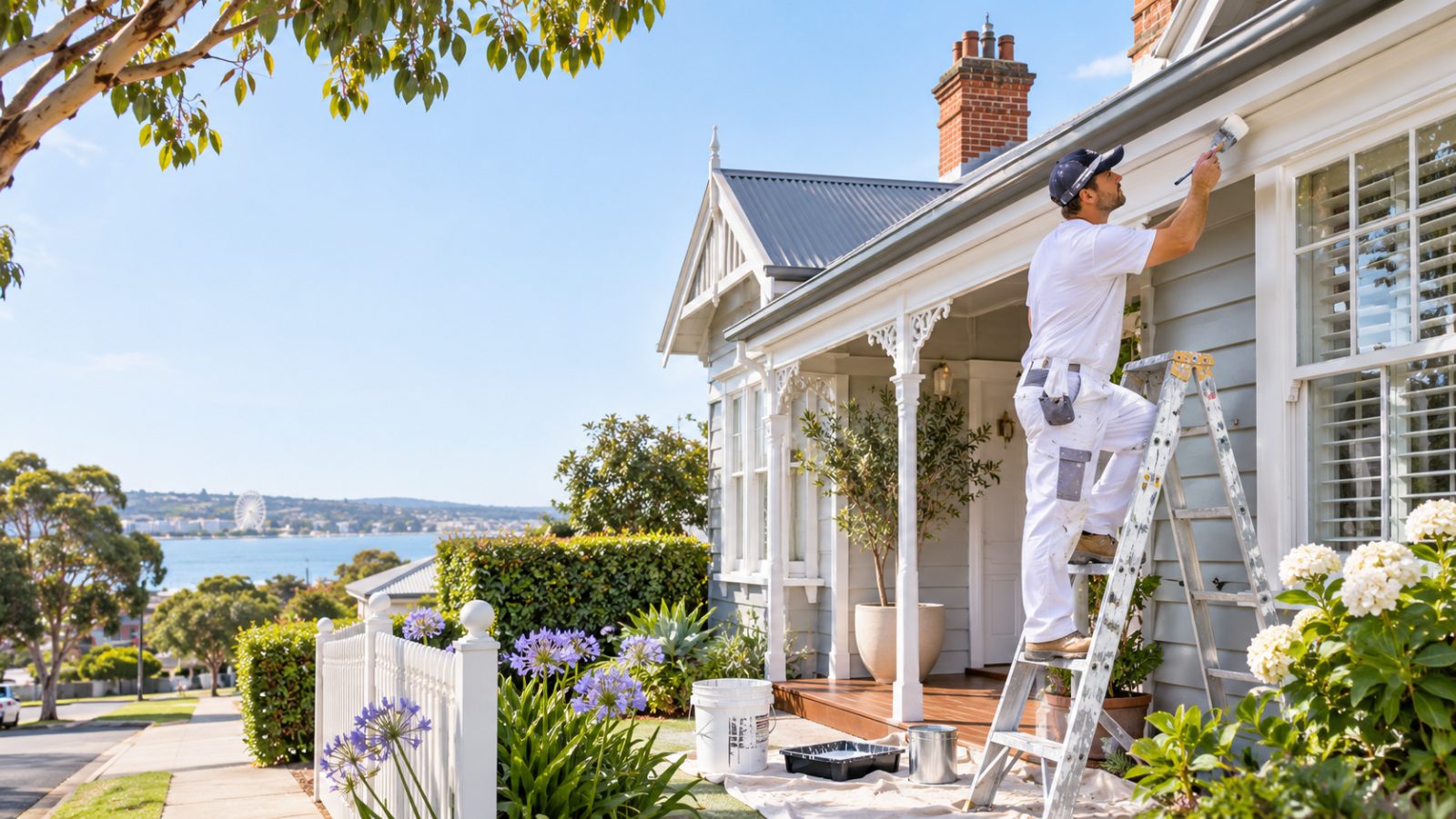
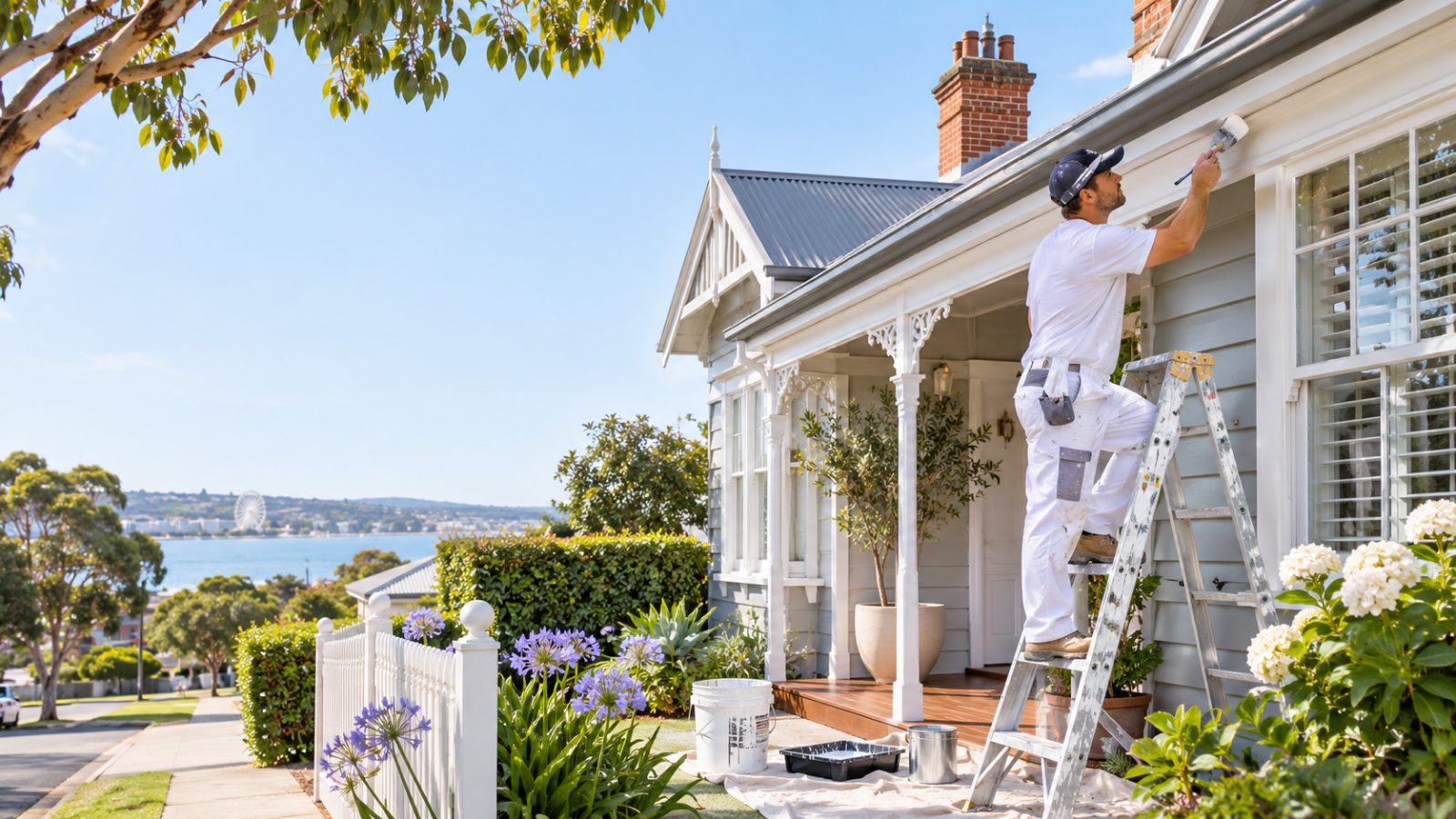
Looking for a house painter in Geelong? House Painters Geelong helps homeowners, property managers and businesses plan painting projects with attention to preparation, surface condition, colour selection and the practical details that influence the finished result. Whether you are updating one room, repainting your home's exterior or maintaining a commercial property, the starting point is understanding what the building needs.

Geelong has an unusually varied collection of properties. Established weatherboard cottages, post-war brick houses, renovated family homes, modern estates, coastal residences and commercial premises all present different painting requirements. We consider materials, existing coatings, weather exposure, access and everyday use before discussing an appropriate approach. Our aim is to help customers understand the work involved rather than simply choose a new colour. Get a free estimate

House painter in Geelong

A Straightforward Approach to House Painting

At House Painters Geelong, we believe the quality of a painting project begins with the decisions made before the first coat. Surface preparation, sensible product selection and clear expectations matter because even an attractive colour will not perform well over an unsuitable surface. We approach each property individually and focus on work that makes sense for its condition.

Our connection to Geelong comes through the buildings and communities we serve. From traditional homes in Geelong West and Newtown to newer houses in Armstrong Creek and coastal properties around Ocean Grove, the region demands a flexible approach. We value honest explanations, respectful work practices and finishes that suit the way each property is used.

Why Property Owners Choose Us

✓

Preparation Before Decoration

We consider cleaning, sanding, suitable filling and priming before recommending finish coats. Proper preparation helps a compatible painting system perform as intended.

✓

Understanding Local Conditions

Geelong's coastal exposure, seasonal weather and variety of building styles influence painting requirements. We consider the individual property's setting.

✓

Clear Project Discussions

Customers should understand what is included, which surfaces need attention and how access or existing defects could affect the work.

✓

Care Around Occupied Properties

We value planning that accounts for people, belongings, gardens, equipment and normal household or business routines.

✓

Appropriate Painting Materials

Different substrates and uses call for different coating systems. We consider compatibility, durability and appearance together.

✓

Attention to the Finished Result

Coverage, edges, surface appearance and relevant cleanup should form part of the final review.

Serving Geelong & Nearby Communities

Our central service area includes Geelong, Geelong West, South Geelong, East Geelong, Newtown, Bell Post Hill, Bell Park, North Geelong, Rippleside, Drumcondra, Herne Hill, Manifold Heights, Hamlyn Heights, Norlane, Corio, North Shore, Lovely Banks and Moorabool. These locations include established residences, older timber buildings, brick houses, renovated properties and business premises.

Across southern and eastern Geelong, we cover Belmont, Highton, Wandana Heights, Grovedale, Waurn Ponds, Marshall, Breakwater, Thomson, Whittington, St Albans Park, Newcomb, Moolap, Charlemont, Armstrong Creek and Mount Duneed. Properties here range from traditional homes to newer residential developments, with different requirements for maintenance and painting preparation.

Our wider coverage extends through Fyansford, Batesford, Ceres, Barrabool, Leopold, Curlewis, Drysdale, Clifton Springs, Wallington, Mannerim, Marcus Hill, Portarlington, Indented Head, St Leonards, Ocean Grove, Barwon Heads, Connewarre, Swan Bay, Point Lonsdale, Queenscliff, Torquay, Jan Juc, Bellbrae, Freshwater Creek, Breamlea, Modewarre, Moriac, Mount Moriac, Gnarwarre, Lara, Bannockburn, Winchelsea, Murgheboluc, Little River and Avalon. Tell us where your property is located and what surfaces you need painted. Get a free estimate

Painting services across Geelong

How House Painting Projects Are Planned in Geelong

How House Painting Projects Are Planned in Geelong

Starting With a Proper Assessment

A painting project should begin with understanding the surfaces rather than immediately choosing paint. We consider which rooms or elevations need attention, the condition of existing coatings and the purpose of the work. Some customers want a different colour throughout their home. Others need to address fading exterior finishes or refresh a property before new occupants move in. These goals require different levels of preparation and planning.

Inside a house, the assessment may include wall damage, ceiling stains, old plaster repairs, doors, skirting boards and areas exposed to frequent contact. Recently renovated rooms can contain fresh plaster beside older finishes. Each surface may need separate preparation before a consistent appearance is possible.

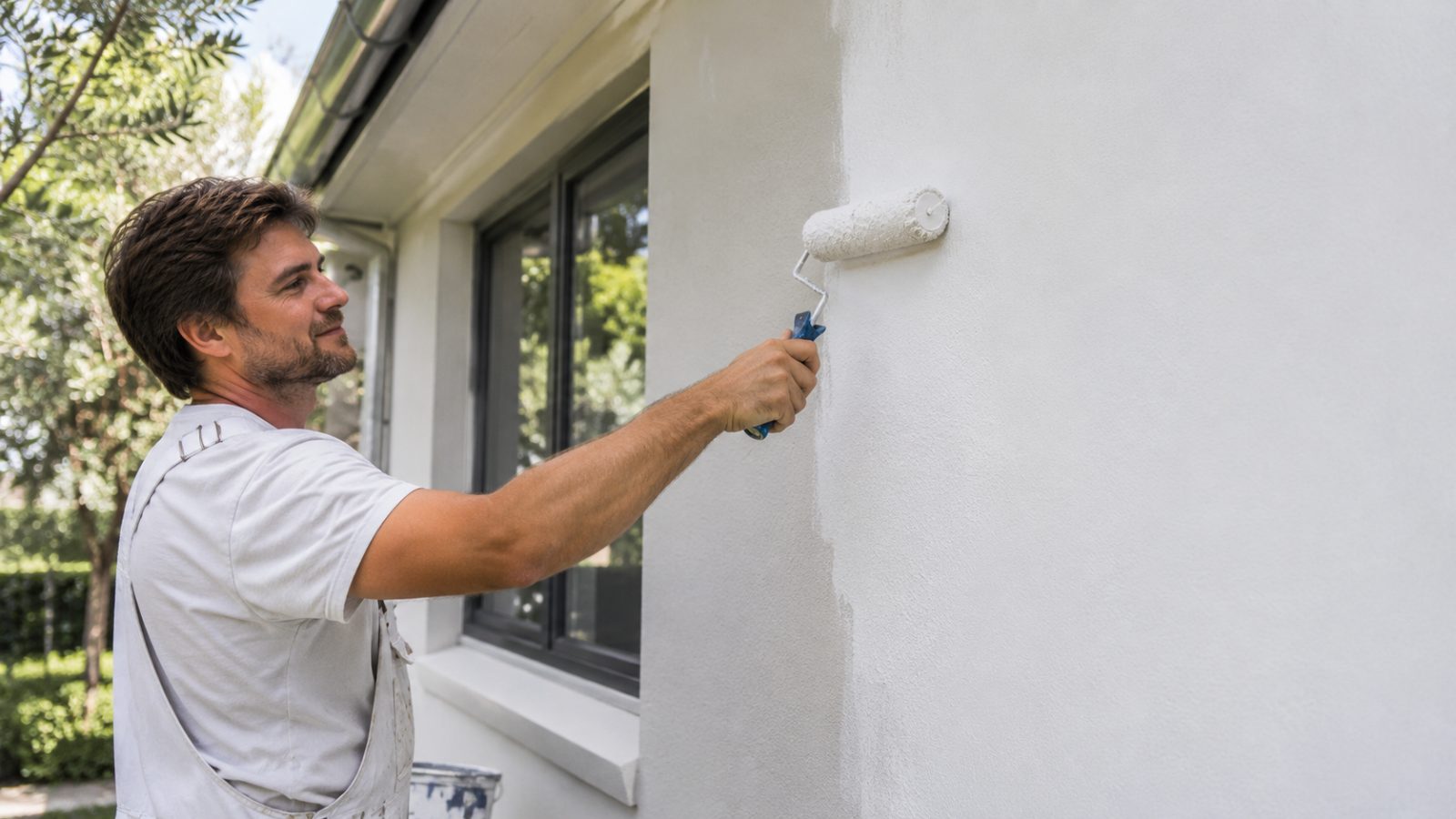
Outside, weatherboards, render, masonry, metal and timber trims can respond differently to sunlight, rain and temperature changes. The condition of previous coatings matters just as much as the material underneath. Loose or unsuitable coatings may need removal before a new system is applied.

Preparing and Protecting the Property

Preparation involves more than filling visible holes. Depending on the surface, it may include washing, removing loose paint, sanding, addressing minor defects and applying an appropriate primer. Significant moisture problems, structural cracks and deteriorated building materials need separate consideration before decorative painting proceeds.

Protecting surrounding areas is equally important. Furniture, floors, fittings, gardens, paving and nearby surfaces should be accounted for when planning the work. In an occupied home, room availability and ventilation can affect the sequence.

Applying and Reviewing the Finish

Painting should follow the requirements of the selected coating system, including suitable application conditions and drying intervals. The number of coats depends on product specifications, existing colours and surface preparation. Rushing the process can affect appearance and coating performance.

After application, the finished work should be checked for coverage, visible defects and the overall consistency of the result. Relevant care instructions also matter, particularly around cleaning newly painted surfaces or returning furniture to its normal position.

The goal is a process that makes sense from beginning to end. Good decisions during assessment and preparation can prevent avoidable problems later. Get a free estimate

Signs Your Geelong House May Need Repainting

Signs Your Geelong House May Need Repainting

Exterior Changes Worth Investigating

Paint usually deteriorates gradually. A home's exterior may lose its original colour, develop a chalky surface or show peeling around exposed timber and joins. These signs do not always mean the whole building needs repainting, but they indicate that the existing finish deserves closer attention.

Cracking and flaking are particularly important on weatherboards, fascia boards, doors and window frames. Once coatings lose adhesion, exposed areas can become more vulnerable to moisture. The underlying substrate should be checked rather than simply covered with a fresh coat.

Bubbles or blisters can sometimes indicate trapped moisture or other adhesion problems. Where paint is failing repeatedly, the cause should be investigated. New coatings cannot permanently resolve a leaking gutter, damaged flashing or an ongoing dampness issue.

Interior Wear and Everyday Damage

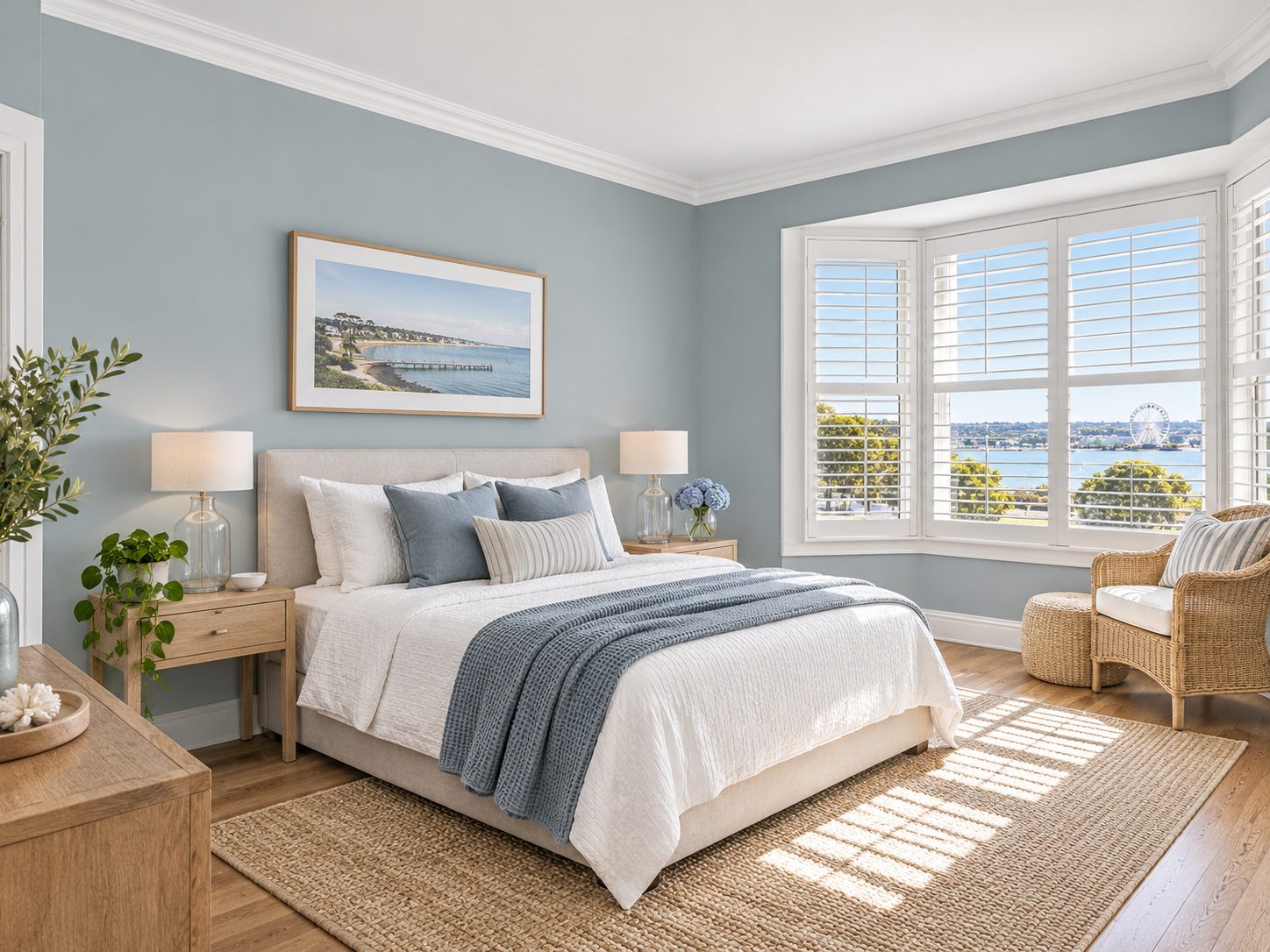
Inside a home, the reasons for repainting are often different. Hallways accumulate marks, children's bedrooms change as families grow and living areas may develop visible patches after maintenance work. A colour that once suited the room may also feel outdated after changes to flooring, cabinetry or furniture.

Minor marks do not always justify painting an entire room. However, isolated touch-ups can be difficult to blend when the existing coating has aged or the original product is unavailable. Repainting a complete wall may produce a more consistent appearance.

Water staining and recurring mould should be treated differently from ordinary wear. Their underlying causes need attention before the decorative finish is renewed.

Choosing the Right Time

Homeowners sometimes wait until large areas of paint have failed before considering maintenance. Earlier attention may make preparation more manageable on sound surfaces. Periodic inspection of exposed timber, joins and weather-facing elevations can help identify developing problems.

For interior projects, repainting can be conveniently planned around renovations, tenancy changes or furniture replacement. It is useful to identify related repairs first so freshly painted walls are not damaged by later work.

If you have noticed changes in colour, texture or adhesion, describe the affected area and how long the problem has been visible. Understanding the cause is more useful than assuming every defect has the same solution. Get a free estimate

What Influences the Scope and Cost of House Painting

What Influences the Scope and Cost of House Painting

More Than the Size of the House

Painting requirements vary considerably between properties of similar size. A modern home with smooth plasterboard and uncomplicated access can involve different work from an older house with decorative ceilings, multiple doors and timber surfaces carrying several previous paint layers.

The number of rooms is one consideration, but room height, surface condition, trim details and the extent of preparation also matter. A large open space may be relatively straightforward, while numerous small rooms can involve more edges, fixtures and furniture movement.

Exterior projects bring additional variables. A single-storey property with easy access differs from a home with elevated gables, narrow side passages and difficult-to-reach windows. Safe access arrangements need to be considered when establishing the scope.

The Importance of Existing Conditions

Properties with extensive peeling, cracking or previous patching may require more preparation than those with sound coatings. Some older buildings also contain materials that need careful assessment before sanding or scraping. Preparation should be tailored to the actual surfaces rather than omitted to simplify the project.

Colour selection can affect the work. Dramatic colour changes may require additional attention to coverage, and different sheens can highlight surface imperfections. Coating compatibility is important when changing products or repainting unusual substrates.

Timing, Access and Occupancy

Painting an empty house can be organised differently from working around an occupied family home. Commercial premises may need staged access, while exterior work depends on weather and surface drying conditions.

Furniture, stored belongings, pets, landscaping and difficult access can all affect the practical arrangements. Clear information at the beginning helps establish what preparation and protection will be needed.

Comparing Painting Proposals

A useful painting estimate should explain the surfaces included, preparation requirements, coating system and important exclusions. It is worth asking whether ceilings, doors, trims and external fixtures are included rather than assuming they are.

When comparing proposals, look closely at the actual work described. Two apparently similar projects may involve different preparation and materials. Clarifying these differences helps homeowners make informed choices without relying on a single figure.

Tell us about the property, its condition and your priorities so the proposed work can be discussed with the appropriate level of detail. Get a free estimate

Geelong Weather and Its Effect on Exterior House Painting

Geelong Weather and Its Effect on Exterior House Painting

Coastal Conditions Around Corio Bay

Geelong's position near Corio Bay means exterior buildings experience a combination of coastal air, wind, rainfall and changing temperatures. The effect varies considerably across the region. A sheltered wall in an established inland neighbourhood may have different maintenance needs from an exposed elevation close to the waterfront.

In bayside locations such as Rippleside and Drumcondra, some external surfaces can be affected by salt carried through the air. This can be relevant for metal components and surface contamination. Cleaning and suitable coating selection should reflect the material and its level of exposure.

Timber is another important consideration. Weatherboards, doors and window frames respond to moisture and temperature changes. Joints can move over time, and damaged coatings may allow further moisture exposure. Painting contributes to maintenance, but building defects must be addressed separately.

Sunlight, Shade and Moisture

North-facing walls may receive substantial sunlight, while shaded areas beneath trees or deep eaves can remain damp longer after rain. These differences influence surface condition and the timing of painting work.

A property near established gardens may require attention to organic growth and restricted airflow. Another house in an open new estate may experience stronger wind and direct sun. There is no single exterior preparation method that suits every Geelong property.

Selecting Suitable Conditions

Exterior painting should be scheduled around conditions that meet product requirements. Rain is not the only concern. Surface moisture, excessive heat, wind and humidity may affect application and drying.

The coating manufacturer's guidance is important when planning each stage. Applying paint in unsuitable conditions can compromise the appearance or durability of the finish.

Thinking About Maintenance

Owners can support exterior paint performance by keeping gutters and drainage in good condition, observing exposed joins and dealing promptly with moisture problems. Periodic cleaning may also be appropriate where contamination accumulates.

A practical maintenance plan starts with understanding the building's most exposed areas. Instead of assuming all elevations weather equally, look at the actual condition of each surface and identify where early attention is needed. Get a free estimate

Choosing Interior and Exterior Paint Colours

Choosing Interior and Exterior Paint Colours

Consider the Building First

A paint colour should work with the property's architecture, existing materials and available light. In Geelong's established neighbourhoods, traditional homes may feature decorative timber, high ceilings, period windows and contrasting trims. Newer properties may have open-plan interiors and simpler exterior forms.

Neither type of home requires a particular colour scheme. The aim is to choose shades that complement the building and the way the spaces are used.

Small printed samples can be misleading. A colour may appear warmer in afternoon sunlight, cooler in a south-facing room or more intense across a large exterior wall. Testing larger samples in the actual location helps reveal these differences.

Understanding Paint Finishes

Sheen affects appearance as well as colour. Matt and low-sheen finishes may suit many wall surfaces, while other products are selected for doors, trim and areas requiring regular cleaning.

Higher sheen can draw attention to surface imperfections, particularly where plaster has been patched or timber is uneven. Very flat finishes may not offer the practical characteristics wanted in some high-contact spaces.

The correct choice depends on expected wear, cleaning needs and product suitability. Ceilings, bathroom areas, timber details and exterior cladding should not automatically receive the same coating.

Colour for Everyday Living

Family homes may benefit from coordinated colours that create continuity between living areas. Rental properties can be easier to maintain when colours are consistent and future touch-ups are considered. Commercial premises may require finishes that complement the business environment.

Darker exterior colours can create a striking appearance, but substrate temperature and manufacturer recommendations should be considered. On some materials, heat absorption is an important practical issue.

Getting Comfortable With the Decision

Before committing to a scheme, compare samples against flooring, roofing, bricks, cabinetry and other permanent materials. Consider how adjoining rooms will look together and whether decorative details should blend or contrast.

Colour decisions are easier when they are based on the actual property instead of a photograph of another home. A considered choice balances personal preference, architectural character and the practical requirements of the finish. Get a free estimate

How to Choose a House Painter in Geelong

How to Choose a House Painter in Geelong

Ask Questions About Preparation

When comparing house painters, start by asking how the existing surfaces will be assessed. A new finish depends on the condition of the material underneath it, so preparation should be discussed rather than treated as an afterthought.

Ask what happens when loose paint, surface damage or signs of moisture are found. Some defects are suitable for ordinary painting preparation, while others require additional repairs or specialist attention. A clear explanation can help prevent misunderstandings later.

Understand the Proposed Work

A useful scope should describe which rooms, ceilings, doors, trims or exterior elevations are included. It should also identify important exclusions, protection arrangements and any special access requirements.

For older homes, the discussion may need to include existing paint layers and possible hazardous materials. For contemporary houses, it may focus more on new plaster, surface consistency and colour changes.

Commercial work introduces different considerations, including operating hours, customer access and equipment protection. The proposed process should reflect the environment rather than follow an unsuitable standard approach.

Check Practical Arrangements

Painting affects how a property can be used while work is underway. Ask about furniture, ventilation, room availability and what preparation the occupants need to complete. Exterior projects may require access to side boundaries, driveways or elevated areas.

Weather can also influence scheduling. A reasonable plan should allow for suitable painting conditions rather than assume outdoor work can proceed in all circumstances.

Compare Information Carefully

Different proposals may include different levels of preparation or coating specifications. Review the details rather than assuming the same work is being offered in every case.

It is sensible to verify relevant insurance, business details and any permissions or qualifications required for the specific work. Do not rely on claims that cannot be confirmed.

Good communication should continue from the initial enquiry through to completion. Customers should understand how unexpected defects or changes to scope will be discussed.

House Painters Geelong aims to make the first conversation useful. Tell us the areas involved, what concerns you about their condition and the finish you hope to achieve. The more clearly the project is described, the easier it becomes to establish a suitable approach. Get a free estimate

House Painting FAQ

Straight answers to common Geelong house painting questions.

How do I decide whether my Geelong house needs repainting?

Look for widespread fading, peeling, cracking, surface marks or inconsistent previous repairs. Some areas may only need targeted attention, while others may benefit from a complete repaint. The condition of the existing coating should guide the decision.

Can house painting be arranged while we are living in the property?

Many projects can be planned around an occupied home, depending on the work involved. Furniture movement, ventilation, access and drying requirements need consideration. Discuss your household routines before the project scope is finalised.

What information helps when requesting a house painting estimate?

Identify the rooms or exterior surfaces involved and describe any visible damage. Photos, approximate room dimensions and information about access can help start the discussion. Mention whether the property is occupied or undergoing renovation.

Are older Geelong houses more complicated to paint?

Some older properties have multiple paint layers, decorative details or deteriorated timber that require additional assessment. Older coatings may also contain lead. Appropriate preparation depends on the materials and their current condition.

Should I repaint before selling a property?

Painting can improve presentation where existing finishes appear tired or inconsistent. It may be sensible to prioritise visible defects and frequently used spaces. The decision should reflect the property's condition and your preparation plans.

See all FAQs →

Tell us about your painting project

Planning a painting project? Email [email protected] or request an estimate to discuss your property and painting requirements.

Share the rooms or exterior surfaces involved, your suburb and postcode, and any visible damage such as peeling, cracking or water staining. Photos help too.

Speak with a local painter

Ready to discuss house painting in Geelong? Tell us about your property, current surfaces and preferred result. Get a free estimate